News, culture, connection - to a newly independent nation.
POLSKIE RADIO · POLANDPROMISE INVERTED
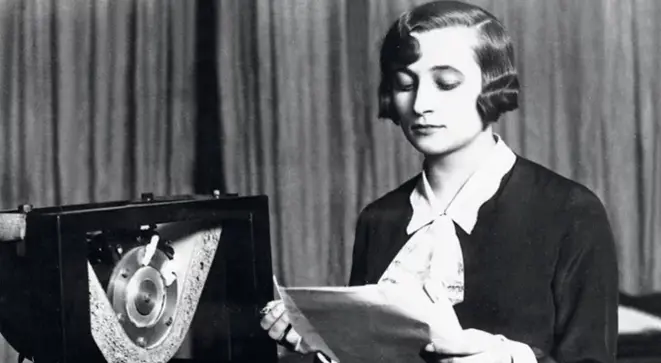
A founding broadcaster's promise and its post-war inversion - the cleanest case of an institution captured.
Polskie Radio launched in 1925, with regular broadcasts the following year. It was, by its founding promise, the standard interwar European model - a national public-service broadcaster bringing news, culture, and connection to a newly reconstituted nation. Poland had only existed again as an independent state for seven years. Radio was meant to be one of the threads holding the country together.
The post-1945 inversion is the artifact. Under the Soviet sphere, the new communist regime kept the institution and its name and stripped out the editorial reality. Polskie Radio became a vehicle for state propaganda, with strict censorship determining what could be broadcast and what could not. The founding promise of a national broadcaster speaking to Polish citizens did not formally die - it just stopped being honored.
The vacuum produced its own answer. Radio Free Europe, U.S.-backed and broadcasting from outside the Iron Curtain, became the actual trusted Polish-language news source for millions of citizens who had grown up assuming the domestic broadcaster spoke for them. Two transmissions, one language, opposite trust positions. Polskie Radio is the era’s clearest study in how a public broadcaster’s brand can outlive its editorial credibility - and how the audience eventually learns to listen elsewhere.
Sources: en.wikipedia.org ↗www.polskieradio.pl ↗polskieradio24.pl ↗journals.troy.edu ↗