It Shines for All
NEW YORK SUNPENNY PRESS
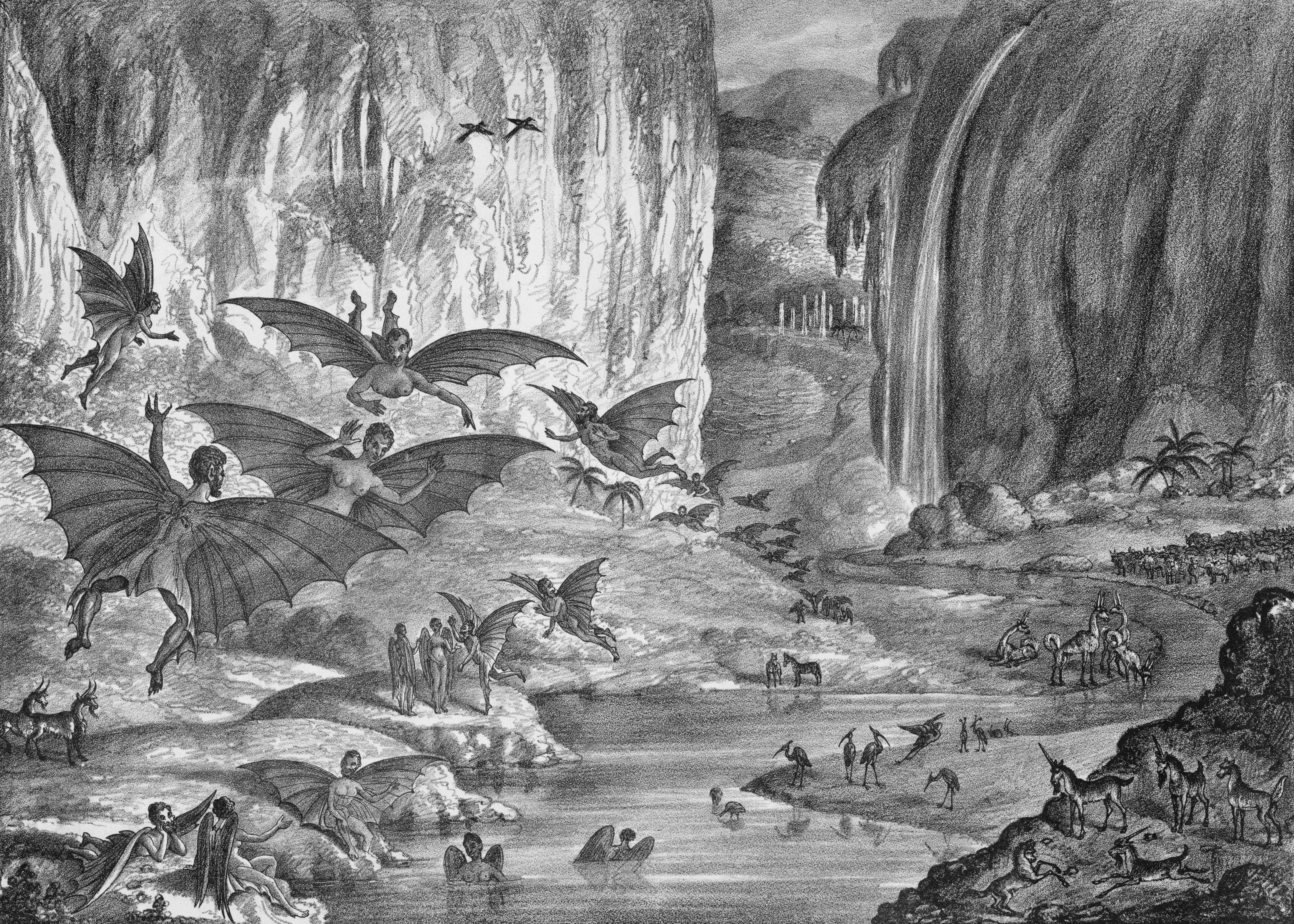
First democratic journalism pitch — and the same paper that ran the Great Moon Hoax.
When 23-year-old printer Benjamin Day launched the New York Sun in September 1833, he severed the newspaper business from its reliance on political patronage and elite subscriptions. Priced at a single cent and carrying the egalitarian slogan It Shines for All, the Sun targeted a rapidly expanding urban working class ignored by the traditional six-cent mercantile papers. Day shifted the editorial focus away from partisan diatribes toward human-interest narratives, police blotters, and sensational local gossip - essentially inventing the modern concept of local news.
The operational genius of the Sun lay in its distribution. Day imported the London Plan, bypassing the postal system and subscription models entirely. He hired an army of newsboys - beginning with a 10-year-old named Barney Flaherty - to hawk papers directly on the streets for cash. This daily, high-volume transactional model drove circulation to 30,000 by 1836, making the Sun the largest-selling paper in America. It created a visceral, immediate feedback loop between publisher and public.
By democratizing access to information, Day inverted the industry’s economic foundation. Massive street-level circulation allowed the Sun to charge a premium for advertising space, shifting the financial burden of production from the reader to the advertiser. It Shines for All was not merely a democratic promise - it was the birth announcement of the ad-subsidized mass media ecosystem. The contradiction was baked in from the start: in 1835 the same paper ran the Great Moon Hoax, fabricating life on the lunar surface; readers believed it, and circulation doubled. Capturing raw human attention was, from day one, the lucrative product.