The anxiety: Hidden. Trust was infrastructure for those allowed inside it.
Trust was implied. But implied does not mean innocent. In the nineteenth century, a newspaper did not usually purchase a campaign to explain why it should be believed. The act of appearing in print was the claim. The masthead, the route, the price, the address, the column rule, the smell of ink, the morning repetition. Authority arrived as paper. It landed on a doorstep, a coffeehouse table, a street corner, a factory bench. It did not ask to be trusted because it had already become part of the machinery through which a public understood itself.
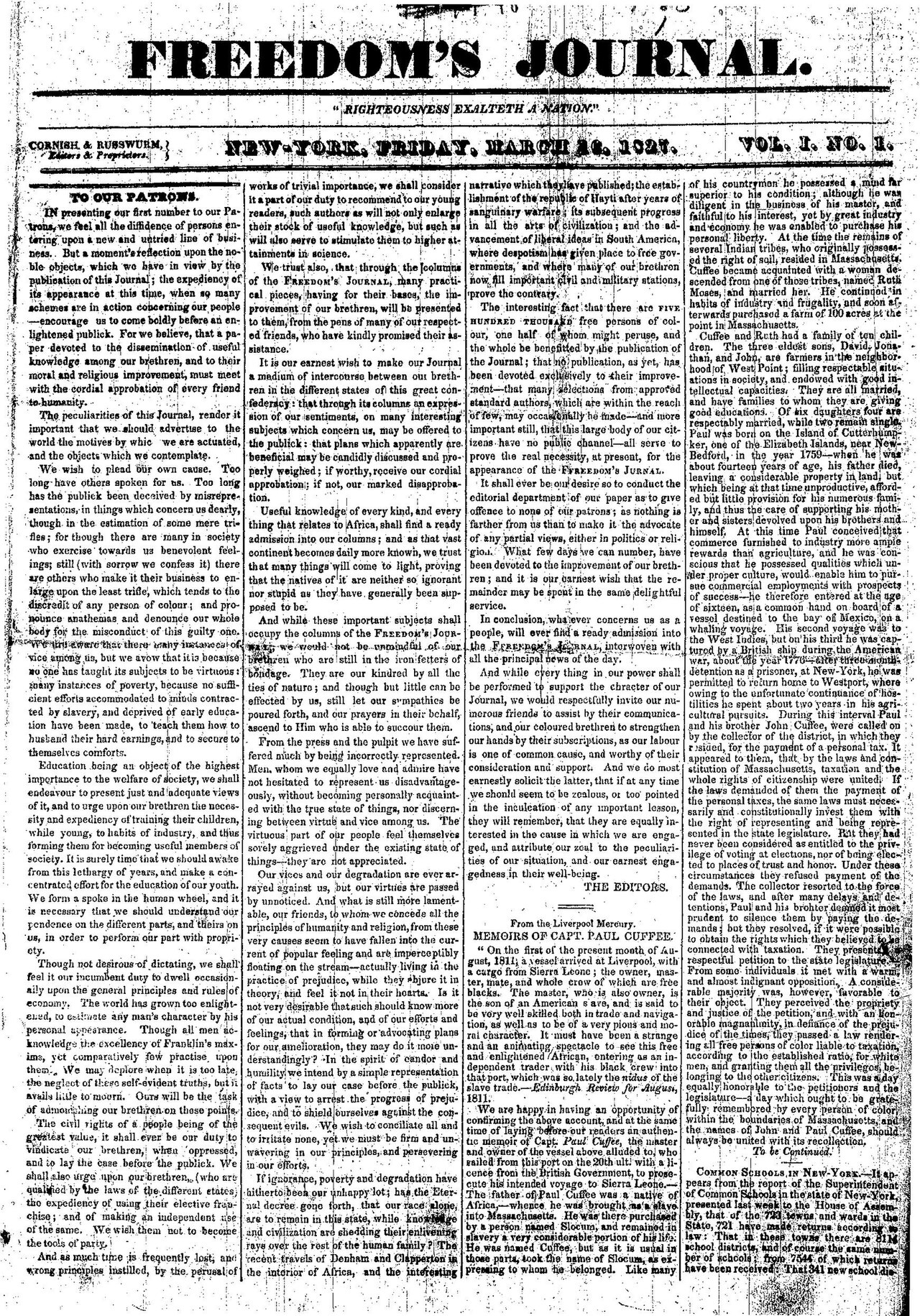
That machinery did not serve everyone equally. For the dominant press, trust could be background. For people misrepresented by that press, trust had to be built against it. Freedom's Journal begins this archive in 1827 with a sentence that is still the sharpest answer to the whole exhibition: "Too long have others spoken for us." The first Black newspaper in the United States did not promise distance. It promised the right to speak from inside a life others had converted into object, crime, rumor, or silence. The abolitionist press made the same wager with more fire. The Liberator did not ask to be balanced. It asked to be believed because moderation in front of slavery was itself a lie.
Contradiction ledger
This is the first contradiction of the print era. Journalism's trust language begins before professional neutrality becomes sacred. It begins in alignment, danger, constituency, and risk. A paper was trusted because it belonged to the people reading it, because its editor could be jailed, because its press could be seized, because its existence answered an absence left by more respectable institutions. The promise was not "we are objective." The promise was "we are finally here."
Then mass circulation changed the bargain. The penny press took the newspaper out of mercantile rooms and partisan clubs and pushed it into the street. The New York Sun sold itself for one cent under the democratic glow of "It Shines for All," then proved how quickly democratic access could be tied to spectacle. Joseph Pulitzer's New York World turned circulation itself into evidence. The argument was brutal and modern: this paper matters because everyone else is already reading it. The reporter became protagonist. The reader became witness. Trust began to look like scale.
The wire agencies built a colder version of the same authority. The Associated Press and Reuters did not sell intimacy or outrage. They sold movement. Telegraph lines, pooled costs, port arrivals, stock quotations, carrier pigeons, submarine cables. Trust became latency reduced. The sentence was stripped down because the line was expensive. The narrator disappeared because partisan color made the copy harder to reuse. What journalism schools later inherited as a moral style began partly as an infrastructure problem: how to move facts across distance, quickly enough that markets and editors would pay.
Outside the Anglo-American center, print trust took other forms. In Cape Town, the telegraph tied a colonial paper to the world while its politics fought over empire and local self-rule. In Buenos Aires, La Prensa made independence physical by placing legal and medical help inside the newspaper building. In Shanghai, Shen Bao became a modern Chinese public forum by being foreign-owned but operationally Chinese. In Osaka, Asahi Shimbun built authority as a progressive counterweight inside a state moving toward militarism. The newspaper was never one invention. It was a form that each society bent around its own pressure.
Risk remained one of the era's purest authentication devices. The Times sent William Howard Russell to Crimea and discovered that exposing the failures of your own army could become a form of national service. Robotnik was printed illegally in a Poland that did not exist as a state; its credibility was written in raids, hidden presses, prison, and the possibility of execution. L'Aurore turned a front page into a tribunal when Zola accused the French state in the Dreyfus Affair. In these cases, journalism did not earn trust by standing above politics. It earned trust by forcing politics into the open.
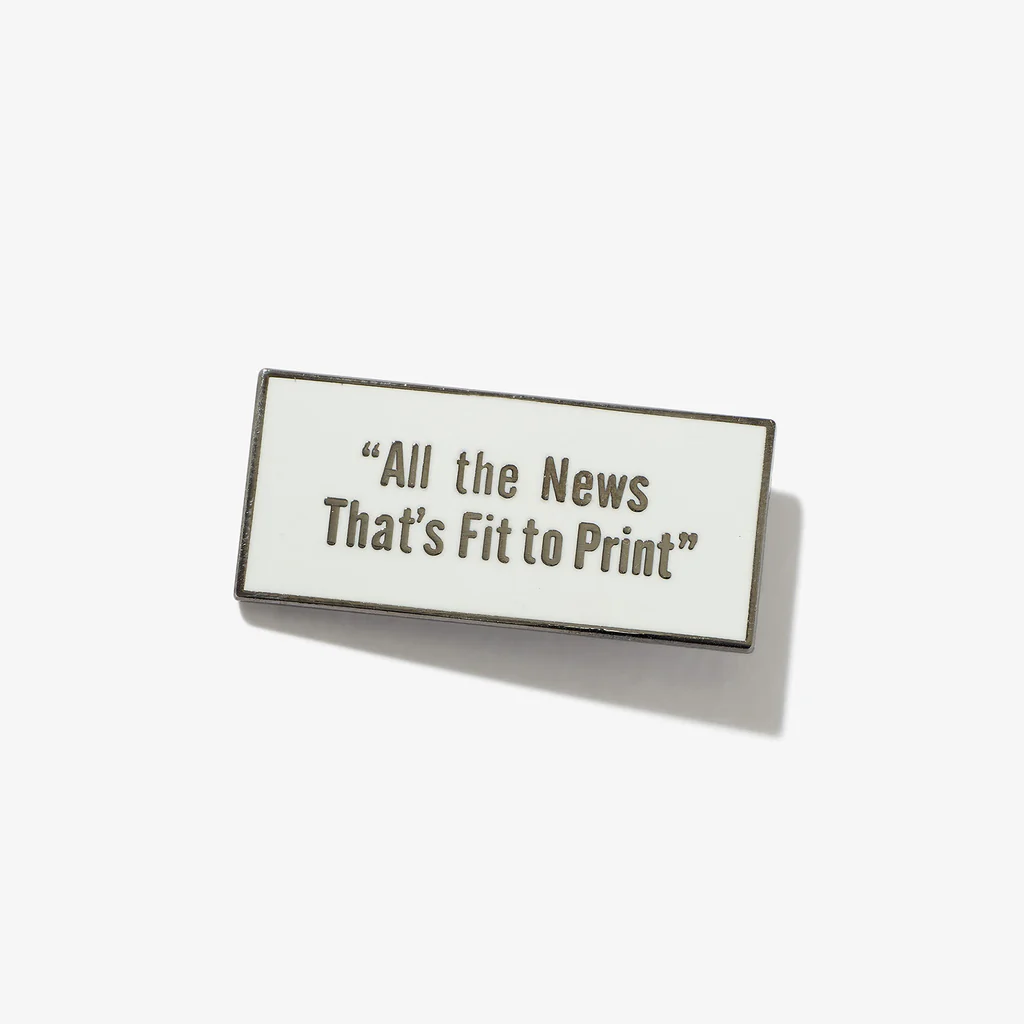
The famous claim of neutrality arrives here not as pure philosophy, but as counter-positioning. When The New York Times adopted All the News That's Fit to Print in 1897, it was not a scientific claim of completeness. It was a boundary drawn against Hearst, Pulitzer, and the yellow press. One word did the work: fit. Fit for the page, fit for the reader, fit for advertisers, fit for a paper that wanted to become the American public record. Objectivity entered the market as a moral posture and a class signal at the same time.
The same century also shows how dangerous the word "truth" becomes when captured by a party or a state. Iskra did not want to be a forum. It wanted to be a collective organizer. Pravda named itself "truth" and made that name identical with Party reality. The annex is not an exception to the print era. It is one of its possible endings. A newspaper can build a public, a movement, or a machine for controlling reality. The technology does not decide. The institution does.
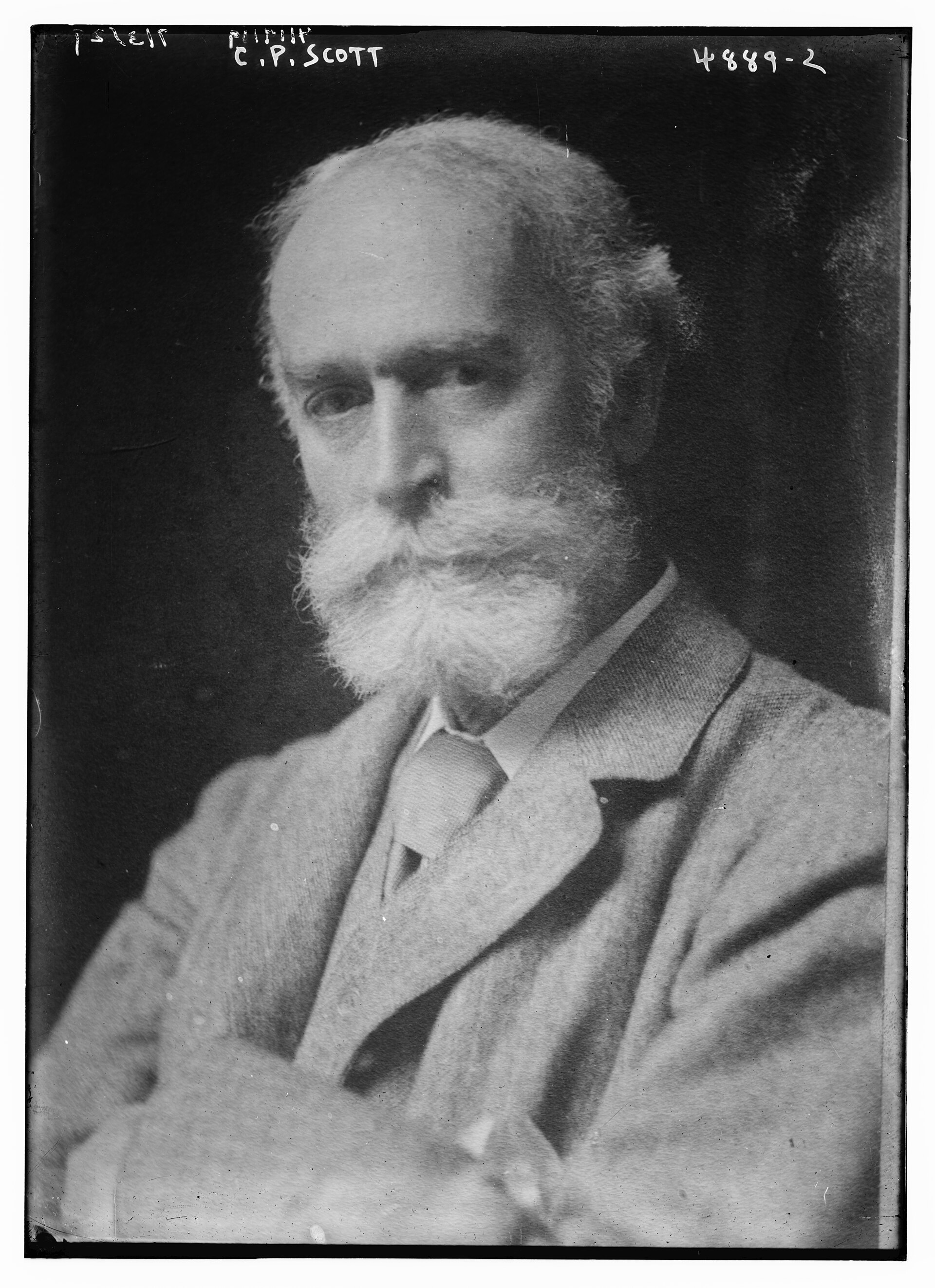
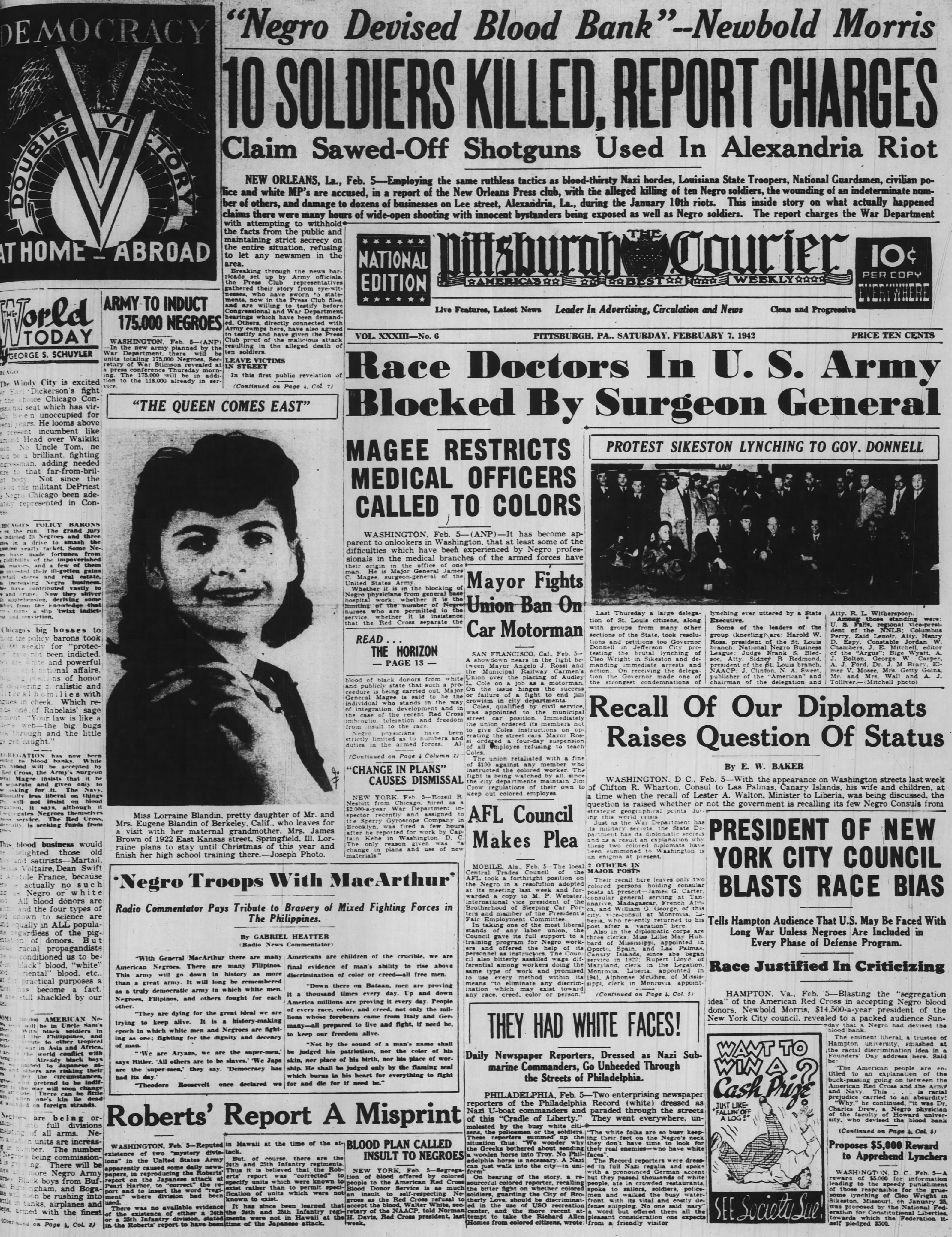
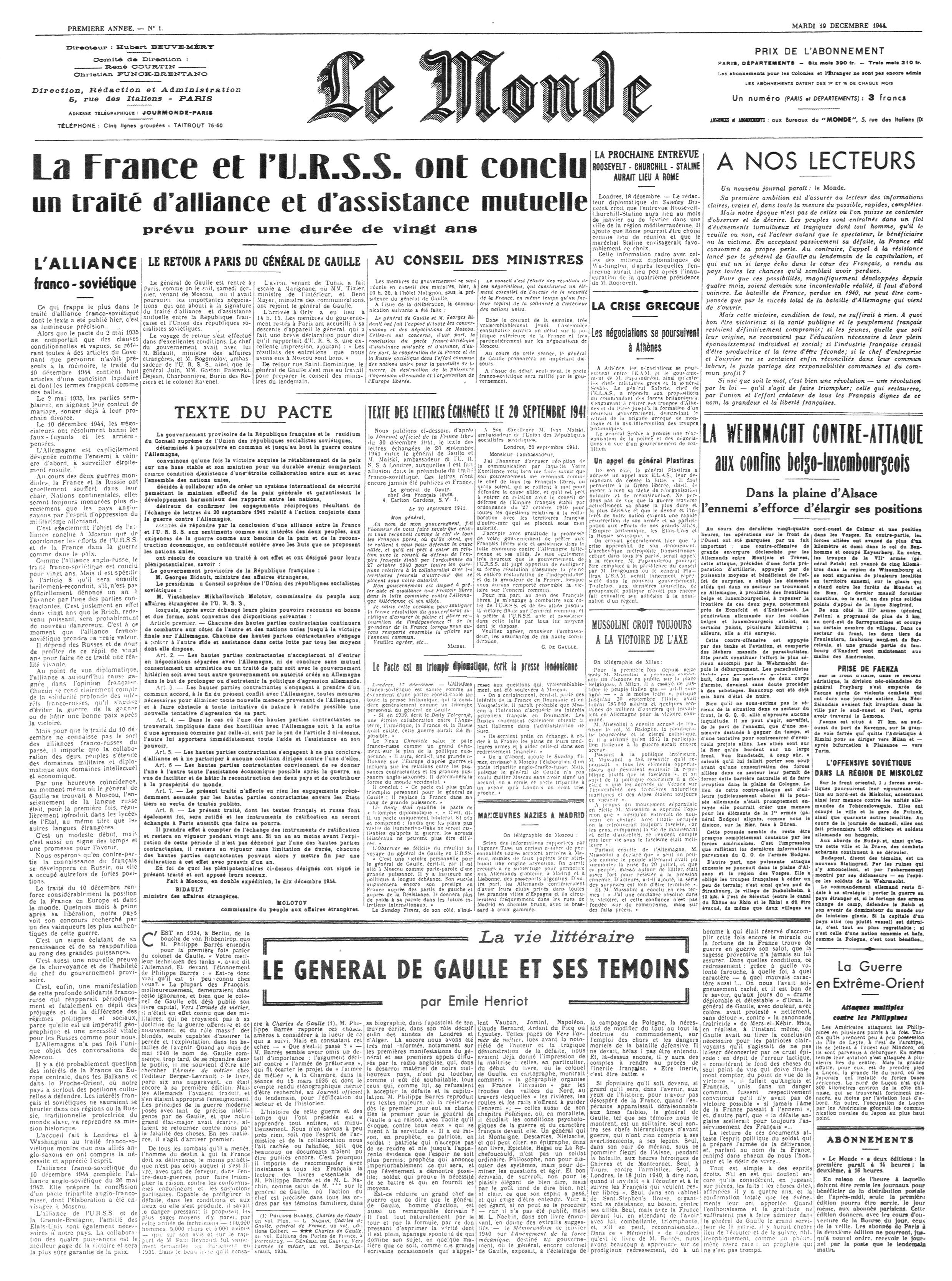
By the end of this chapter, trust is no longer only a masthead habit. It has become doctrine, structure, and campaign. C.P. Scott's Guardian line, "Comment is free, but facts are sacred," turns a newsroom boundary into an enduring institutional promise. The Pittsburgh Courier turns "Double V" into one of the most precise political brands in American history: victory against fascism abroad, victory against racism at home. Le Monde appears after liberation with the trauma of collaboration behind it and tries to engineer independence into ownership itself.
This chapter runs from 1827 to 1945 because print took that long to reveal what it was carrying. At first, trust looked like paper. Then it looked like access, speed, risk, doctrine, alignment, and structure. The campaign era had not yet been invented, but the deeper grammar was already there. Journalism was learning how to promise itself to the public. It was also learning how easily that promise could become a weapon.
"Too long have others spoken for us."Freedom's Journal — 1827
If trust was infrastructure, when did it become a product?