Speed, Accuracy, Simplicity
REUTERS · UKINFRASTRUCTURE TRUST
News as a financial utility. Trust as logistics.
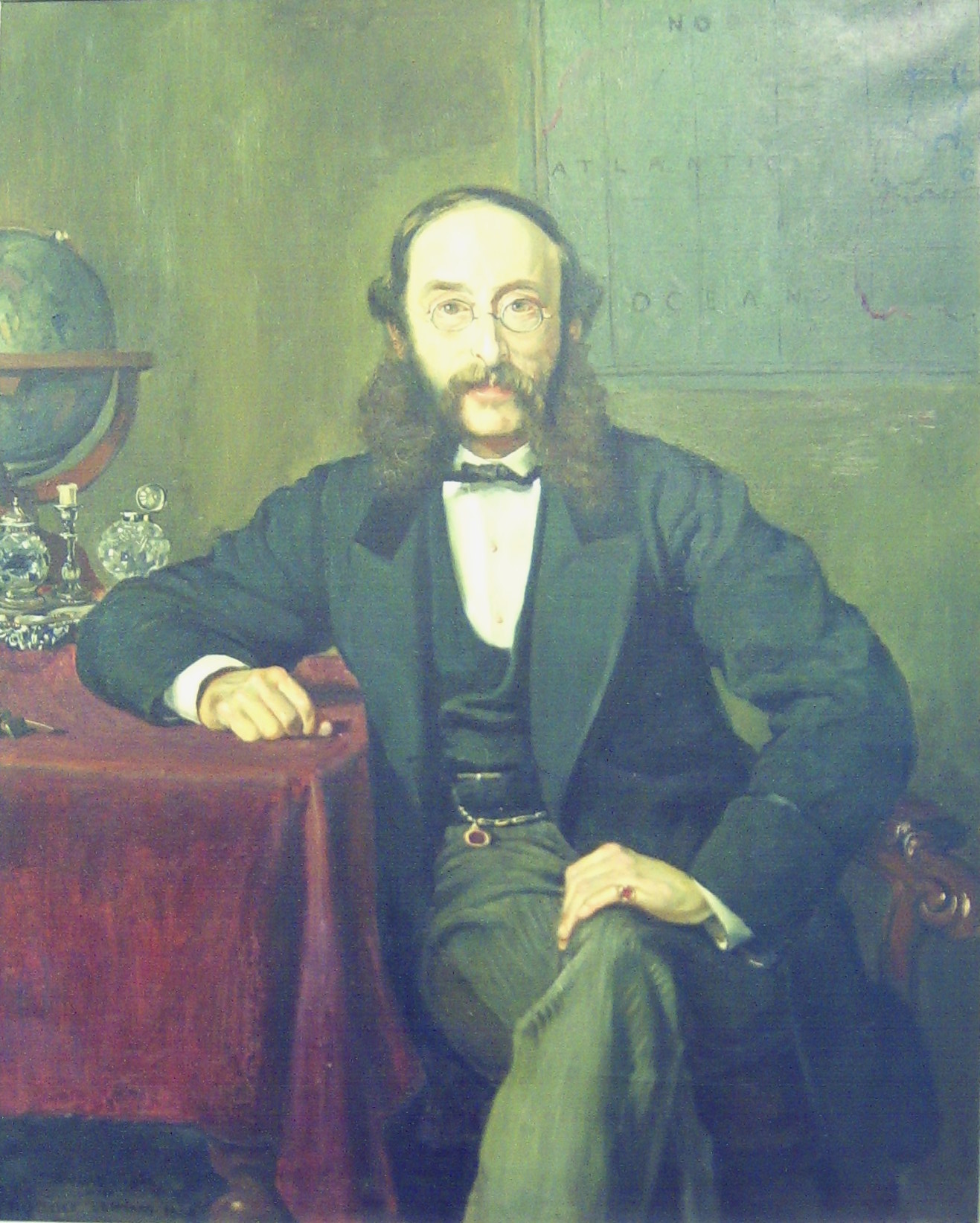
Paul Julius Reuter, a German bank clerk turned wire operator, started in 1849 with a fleet of over 200 carrier pigeons covering the gap in the telegraph line between Aachen and Brussels. Stock quotations, hand-written, lashed to a bird. He moved to London in 1851 and built Reuters around the new Dover-Calais submarine cable.
The trust claim was infrastructural. Reuters was not selling a worldview. It was selling latency. Markets did not need interpretation; markets needed minutes saved. The doctrine that grew from this - simple, direct language, no rhetorical flourish - was a logistics requirement before it was a journalistic value.
The agency stationed boats off the Irish coast at Crookhaven to retrieve sealed canisters of news thrown from passing transatlantic ships, telegraphing London eight hours before the ship docked. The wire was trusted because it acted like plumbing. Indifferent to politics. Religious about speed.