The anxiety: Collapse. The business model is broken. Pay us or we die.
The internet destroyed the advertising model. What replaced it was not simply a new business model - it was a new relationship. The reader became the patron. The transaction was reframed as a donation. The journalism was reframed as a public good. Subscriber becomes supporter. Purchase becomes contribution. The pitch is philanthropy in commercial clothing - and produced some of the most creative campaigns the industry has ever made.
The defining artifact of the era is linguistic. Buy the paper asks nothing of the reader's identity. Become a supporter asks for everything. The reader has to declare themselves the kind of person who funds this kind of journalism. Patronage extracts a higher identity-cost than the old advertising model ever did. The transaction did not become less transactional. It became more - the new currency was the reader's ego and moral alignment.
Contradiction ledger
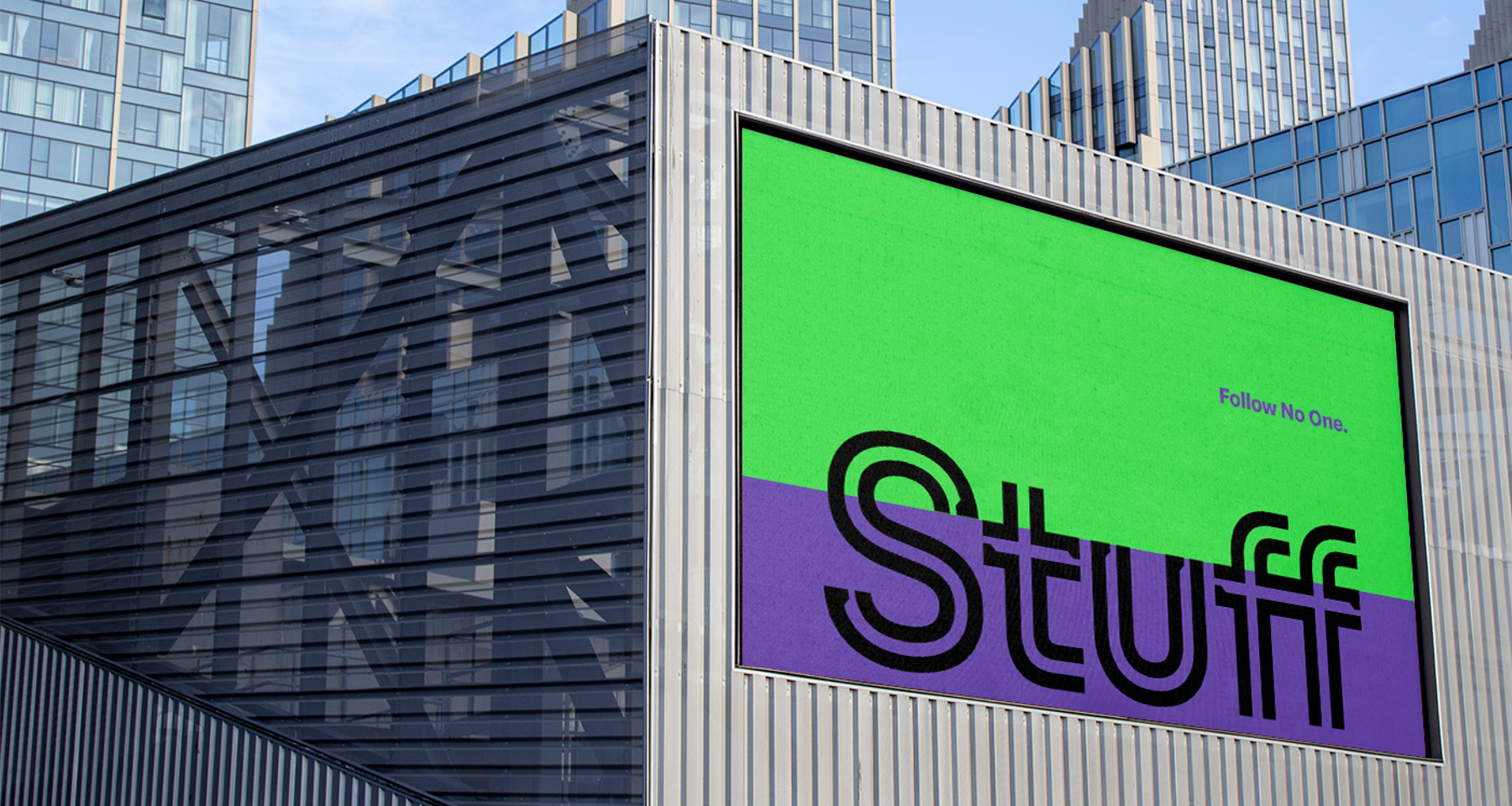
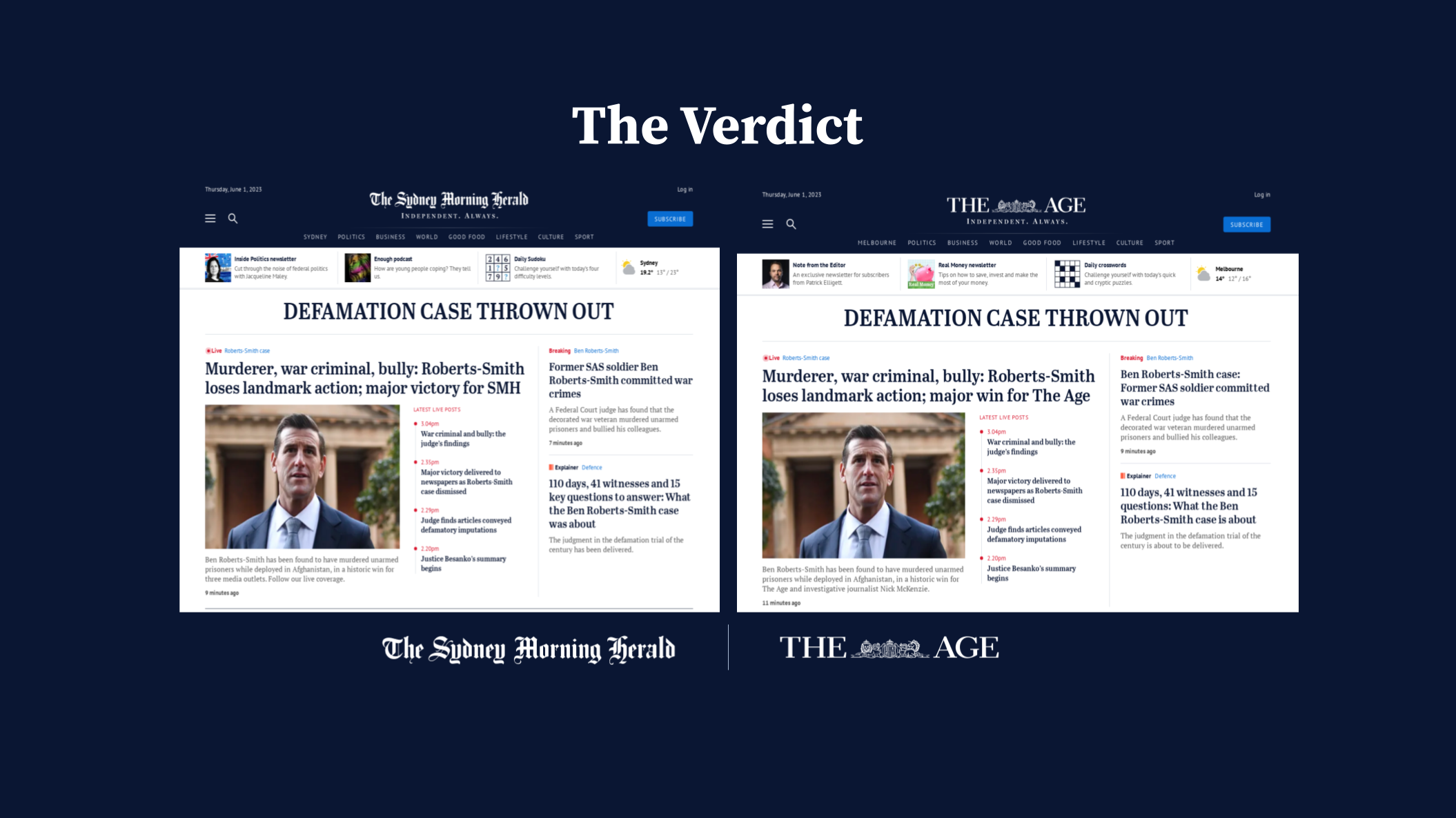
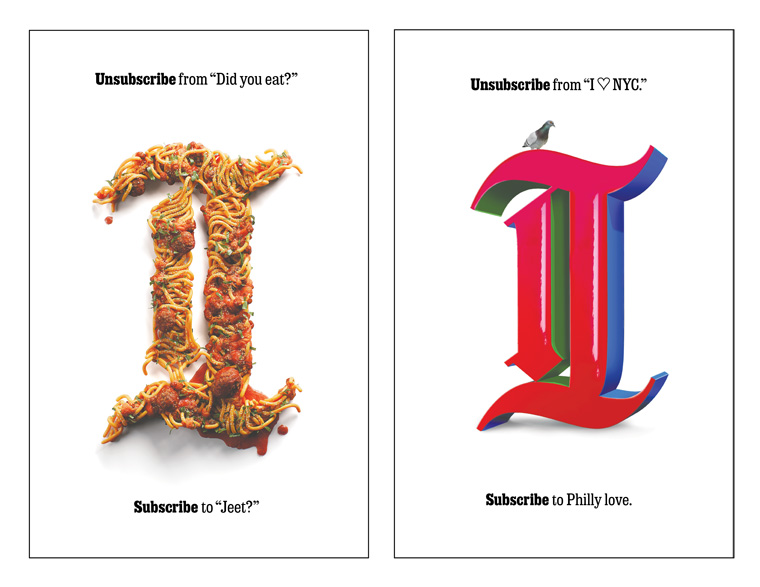
The most successful campaigns of this era were not really about the journalism on the page. They were about the reader's self-image. The Wall Street Journal sold ambition. Politiken sold historical connection. The Philadelphia Inquirer sold self-deprecating local pride. De Telegraaf sold tribal alignment. Prothom Alo sold the right to stand with people who refused to stop publishing while their building was on fire. In every case, the newsroom asked for identity, and the reader paid in it.
The contradiction is structural. The legacy advertising model, for all its sensationalism, subsidized the cost of the news. The advertiser paid so the citizen did not have to. Patronage gates the product. Even the most generous voluntary supporter models depend on the affluent and the highly engaged being willing to fund the infrastructure for everyone else. As fact-checked truth retreats behind paywalls, algorithmic noise fills the vacuum for everyone who cannot afford the ticket. Independence was funded. The journalism was saved. But the public square was quietly partitioned in the process - and the exit question of this era is the one the industry still cannot answer: who can afford to pay for the truth, and who is the journalism then for?
"Beholden to no one."The Guardian
If independence is the product - who is buying it, and who can afford to?